
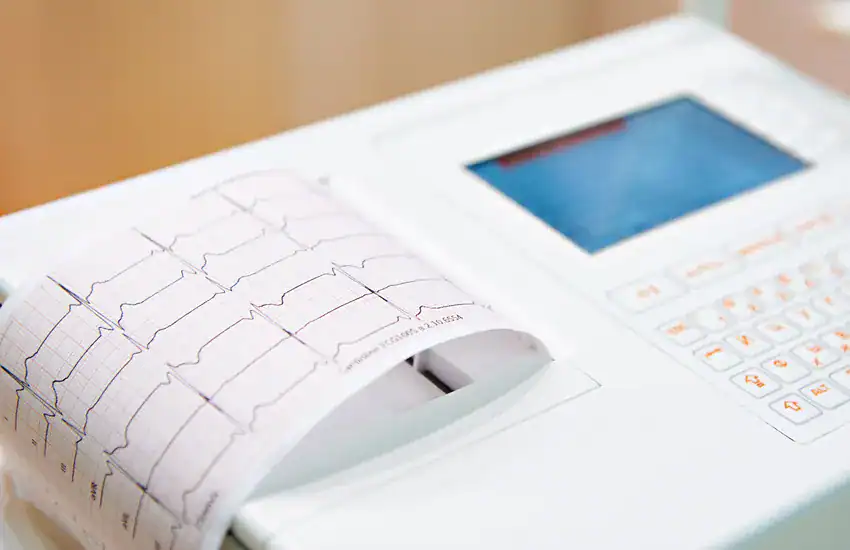
Buying an EKG machine requires careful consideration of clinical needs, equipment capabilities, portability, operating costs, and long term reliability. The common mistakes when buying an EKG machine often happen when buyers focus only on the purchase price or basic specifications without considering how the equipment will actually be used in a medical practice, clinic, hospital, or mobile healthcare setting.
Choosing The Wrong Type Of EKG Machine
There are different types of EKG machines designed for different clinical environments and workflows. A basic resting EKG machine may be appropriate for routine diagnostic testing, while other systems may offer additional connectivity, interpretation features, or specialized capabilities.
Choosing the right EKG machine starts with identifying the type of testing performed most often. Consider whether the machine will remain in one examination room, move between departments, or travel with a mobile provider.
- Resting EKG Machines: Designed for routine electrocardiogram testing.
- Portable EKG Systems: Useful when medical equipment must move between locations.
- Advanced EKG Systems: May provide expanded features and connectivity.
- Specialty Applications: Require equipment matched to specific clinical workflows.
Ignoring Portability & Workspace Requirements
Portability can become an important consideration when an EKG machine is shared between rooms or departments. A machine that is technically capable but difficult to move may create unnecessary workflow challenges.
Before purchasing, consider available storage, transportation between rooms, power requirements, display configuration, and the amount of equipment staff need to carry. A compact design may be preferable for mobile applications, while a larger system can be appropriate for a dedicated testing area.
Focusing Only On The Initial EKG Machine Costs
Purchase price is only one part of the overall cost of ownership. Buyers should also consider accessories, electrodes, cables, paper when applicable, batteries, software requirements, maintenance, warranties, and potential replacement parts.
A lower-priced machine may appear attractive initially but become more expensive if essential accessories are difficult to obtain or the equipment requires frequent service. Comparing the complete ownership costs provides a more accurate basis for purchasing decisions.
- Purchase Price: Compare the upfront equipment cost.
- Accessories: Account for cables, electrodes, batteries, and other required supplies.
- Maintenance: Consider servicing and replacement requirements.
- Long Term Value: Evaluate reliability and expected usefulness over time.
Overlooking The Advantages Of A Refurbished EKG Machine
A refurbished EKG machine can provide an economical alternative for facilities that need professional equipment while managing a limited budget. However, buyers should understand what refurbishment means and evaluate the equipment’s condition, testing, functionality, and included components.
Used and refurbished equipment should not be judged solely by appearance. Ask about inspection procedures, operational testing, available documentation, warranty coverage, and whether necessary accessories are included before completing a purchase.
Failing To Check Compatibility And Connectivity
Modern medical practices may depend on digital workflows, electronic records, printers, networks, and other connected systems. An EKG machine that cannot integrate appropriately with the facility’s existing technology may create additional work for staff.
Review communication capabilities, software compatibility, data export options, and documentation requirements before selecting equipment. Confirming these details in advance can prevent unexpected costs or workflow limitations after installation.
Choosing Features Without Considering Clinical Needs
More features do not automatically make an EKG machine a better purchase. Advanced capabilities can be valuable when they solve a genuine clinical or workflow requirement, but unnecessary features may increase complexity and cost.
Buyers should prioritize functions that staff will actually use. Ease of operation, display quality, recording capabilities, portability, reliability, and compatibility may be more important than purchasing the most feature-rich system available.
Skipping A Careful Equipment Evaluation
One of the most preventable mistakes when buying an EKG machine is failing to verify specifications before purchasing. Staff members who will operate the equipment should have an opportunity to consider whether the controls, workflow, and physical design are practical for everyday use.
It is also important to verify that the selected equipment meets the facility’s operational requirements and applicable policies. A careful evaluation can help narrow the choices and reduce the risk of purchasing equipment that does not fit the intended environment.
- Clinical Requirements: Confirm the machine supports intended testing procedures.
- Staff Workflow: Evaluate controls and operation for everyday use.
- Equipment Condition: Inspect refurbished or used equipment carefully.
- Future Needs: Consider whether the machine can support changing operational requirements.
Make A More Confident EKG Machine Purchase
Choosing the right EKG machine involves more than comparing prices or selecting the newest model. By evaluating machine type, portability, compatibility, features, condition, accessories, and total ownership costs, healthcare providers can make a more informed purchasing decision. Gumbo Medical helps medical equipment buyers nationwide evaluate practical options, including refurbished EKG machines, for professional healthcare environments.