
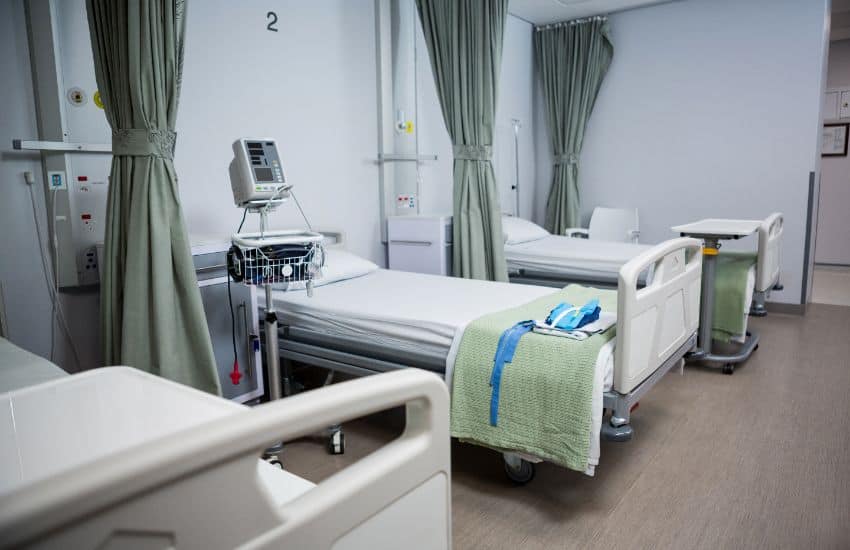
Effective management of increased patient volume in hospitals often necessitates setting up overflow or temporary rooms. During crisis situations such as a public health emergency, or when undergoing building construction, hospitals must be nimble in their approach to space utilization.
A focus on patient comfort, efficient use of space, and access to essential medical equipment like used medical tables or clinical exam tables is key to providing continuous care. Our comprehensive guide explores how hospitals nationwide can effectively set up these rooms to address surge capacity.
The Need For Temporary Rooms
The demand for temporary rooms typically arises from a surge in patient numbers during specific events or times, such as flu seasons or community health outbreaks. High-volume periods challenge existing health infrastructure, prompting hospitals to plan intensive strategies for managing overflow.
Establishing temporary spaces often involves utilizing pre-owned or refurbished medical equipment like manual exam tables, which can optimize both cost and room functionality.
The Importance Of Surge Capacity Planning
Surge capacity planning is critical for hospitals to respond to increased patient demands. This planning ensures resource allocation aligns with community needs. Essential components of surge capacity planning focus on adaptable staffing protocols, strategic space management, and maintaining a steady supply of refurbished medical equipment to ensure readiness and patient care continuity:
- Staffing protocols: Involve cross-training staff and creating flexible work schedules to increase personnel availability during peak periods.
- Space management: Efficient use of existing spaces by converting conference areas or waiting rooms into overflow rooms.
- Equipment readiness: Stockpiling essential equipment like clinical exam tables, which are refurbished and ready for deployment.
Designing An Effective Temporary Room Setup
Setting up overflow rooms requires thoughtful design to ensure they meet clinical demands while respecting patient comfort. Maximizing limited square footage in compact spaces is critical. Using adaptable layouts and multi-functional medical furniture can enhance room utility:
- Adaptable layouts: Design spaces where furniture and equipment can be easily repositioned or removed to meet changing patient care needs.
- Multi-functional furniture: Opt for clinical exam tables that can serve multiple purposes, such as seating or examination, to maximize utility.
- Privacy considerations: Use portable dividers or curtains to maintain patient privacy in shared or open temporary areas.
The Role Of Refurbished Medical Equipment
Utilizing refurbished medical equipment provides several advantages for hospitals setting up overflow rooms. These pieces offer reliability and cost efficiency, allowing facilities to direct resources to other critical areas of patient care without sacrificing quality. Refurbished options like medical tables come with the added benefit of being readily available, scalable, and customizable to specific clinical settings:
- Cost efficiency: Refurbished equipment generally costs a fraction of new equipment retail pricing, offering considerable savings.
- Quality assurance: Thorough inspection and testing ensure refurbished equipment meets stringent safety standards.
- Customization: Equipment like used medical tables can be customized to match specific clinical requirements, enhancing operational flexibility.
Challenges And Solutions In Overflow Room Management
Hospitals face various challenges when setting up overflow or temporary rooms. These include ensuring continuous supply chains, maintaining patient safety standards, and managing logistical constraints. Solutions involve leveraging partnerships with suppliers who can provide reliable medical furniture and equipment support:
- Supply chain management: Establish long-term agreements with trusted suppliers for consistent equipment availability.
- Technology integration: Implement electronic health records systems to ensure seamless patient data access even in temporary rooms.
- Safety adherence: Regularly audit temporary rooms against health and safety regulations to maintain high care standards.
Long-Term Benefits Of Temporary Room Utilization
Despite their temporary nature, overflow rooms provide long-term benefits. They enhance a hospital’s resilience against unforeseen patient surges and improve community outreach capabilities. Additionally, these spaces support educational training, simulate crisis responses, and foster innovation in care delivery methods:
- Crisis simulation: Use overflow setups to run training scenarios and prepare staff for real-world emergencies.
- Extended outreach: Serve broader patient communities during health campaigns or specific health needs periods.
- Innovation in care: Discover new care delivery methods by experimenting with room layouts and equipment placements.
Strategic Considerations For Future Temporary Room Setups
Continual evaluation and strategic planning are key for hospitals looking to set up effective overflow rooms in the future. These considerations include investment in durable equipment, ongoing workforce training, and community engagement:
- Durable equipment investments: Invest in high-quality, refurbished medical furniture that ensures longevity and reliability.
- Workforce development: Regularly update training modules to include emergency response and temporary room management.
- Community partnerships: Engagement with local organizations enhances resource allocation during crises.
Empowering Your Facility With Ready Solutions
Hospitals nationwide can depend on Gumbo Medical for expert solutions in setting up effective overflow and temporary rooms. Leveraging refurbished medical equipment and strategic planning allows your facility to enhance patient care during peak times and build resilience against future challenges. Contact us to learn more about how we can support your hospital’s unique needs with our reliable and cost-effective equipment solutions.