
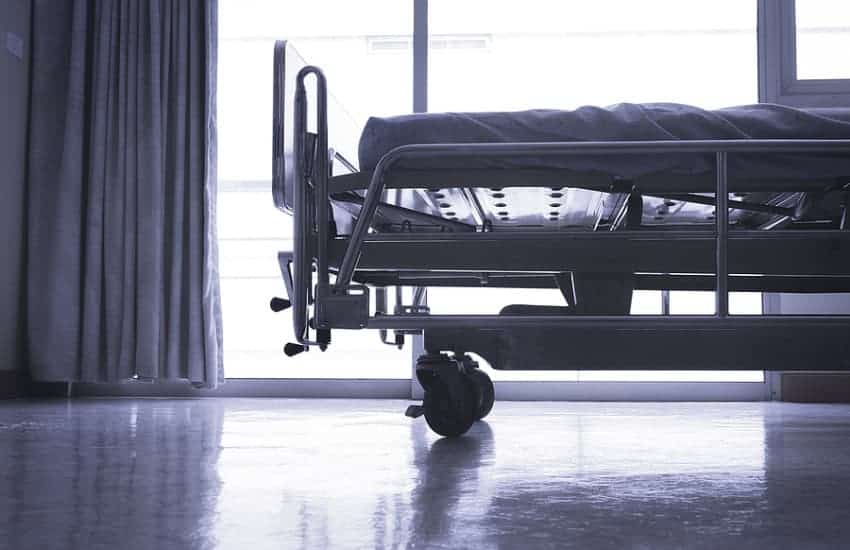
The longevity of hospital beds is a crucial concern for healthcare providers aiming to maintain comfort and patient safety standards. Recognizing the signs that beds are nearing the end of their lifecycle is essential for maintaining safe and effective patient care in any hospital, clinic, or medical center. Failing to address aging equipment can result in compromised care.
Visible Damage
Hospital beds, like any medical equipment, exhibit signs when they need replacement. It’s time to replace your hospital bed when you see visible signs of wear and tear. This includes worn-out mattresses, malfunctioning bed rails, and structural damage. Damage can reduce comfort and increase the risk of injury for both patients and caregivers.
Frequent Repairs
Increased occurrences of breakdowns indicate that a hospital bed may no longer meet operational standards, leading to downtime and rising maintenance costs. Faulty mechanisms, such as malfunctioning adjustment controls, damaged motors, or unstable bed frames are common signs that equipment is reaching the end of its usable life. Over time, these mechanical problems can lead to broader performance issues, reducing the bed’s reliability and safety.
Hygiene & Infection Control Issues
Cracked surfaces, worn upholstery, or damaged coatings can make proper cleaning and disinfection difficult. When hospital beds no longer support effective sanitation practices, they may increase the risk of infection in healthcare environments.
Outdated Technology & Limited Functionality
Older hospital beds may lack modern features that improve both patient care and caregiver efficiency. Newer beds often include enhanced positioning controls, improved safety rails, integrated patient monitoring compatibility, and better mobility support. Older beds may also develop uneven adjustment, where the head or foot sections no longer raise or lower smoothly, making patient positioning more difficult for caregivers.
The Impact Of Bed Condition On Patient Care
Underestimating the need for timely hospital bed replacement can directly affect patient outcomes and satisfaction levels in your healthcare facility. Providers must be vigilant about signs of deterioration to prevent adverse effects on patient care. Malfunctioning or unstable beds increase the fall risk for patients, which can lead to serious injuries and increased liability for healthcare facilities.
- Compromised Patient Comfort: A deteriorated bed can lead to discomfort, pressure ulcers, and poor rest, impacting a patient’s recovery speed.
- Increased Fall Risk: Malfunctioning or unstable beds increase the risk of falls, which can be detrimental to patient health and increase liability for healthcare facilities.
- Overburdening Staff Workload: Frequent breakdowns require additional maintenance, drawing time and resources away from patient care.
How Long Do Hospital Beds Last?
Hospital bed lifespan can vary significantly depending on their usage intensity and quality. In most healthcare environments, hospital beds are designed to last approximately 10 to 15 years with proper care. However, heavy daily use in hospitals and long-term care facilities may require earlier replacement. Various elements can influence longevity.
- Material Quality: High-quality hospital bed materials tend to yield longer-lasting and more durable beds.
- Usage Frequency: Beds subjected to constant use will deteriorate faster than those used intermittently.
- Maintenance Routine: Regular maintenance and servicing can significantly extend the life of hospital beds, emphasizing the importance of diligent upkeep.
- Manufacturing Warranty: The warranty period can provide insights into a bed’s expected lifespan, highlighting the manufacturer’s confidence in their product’s durability.
Refurbished Hospital Beds As A Cost-Effective Alternative
When replacing aging hospital beds, healthcare facilities may want to consider used hospital beds as a cost-effective alternative to purchasing new equipment. Refurbished beds are carefully inspected, repaired, and restored to ensure they meet performance and safety standards. This allows healthcare providers to upgrade outdated equipment while managing budgets more effectively. Working with a reputable supplier ensures the refurbished beds maintain the reliability and functionality required in demanding healthcare environments.
Get Expert Help Replacing Hospital Beds
If your facility needs replacement hospital beds, we encourage you to reach out to our team. Our experts at Gumbo Medical can assist in evaluating your needs and offering personalized solutions to enhance patient care and operational efficiency. As your trusted partner, we are committed to supporting healthcare professionals nationwide with top-tier refurbished equipment options that reliably meet your standards.